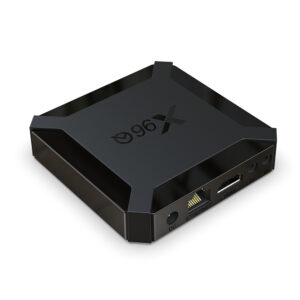
Low-latency TV boxes instant playback has become the defining benchmark for modern streaming experiences. Users no longer judge a viewing system solely by resolution or content availability; instead, they evaluate how quickly and smoothly content responds the moment they press play. Designed to reduce delay across decoding, rendering, and output, a delivers a viewing experience that feels immediate and natural. When paired with optimized hardware and software, a Real-time media streaming box like the X96Q allows users to enjoy high-quality instant playback without buffering interruptions or visual instability, even during extended viewing sessions.
Low-latency TV box Engineering for Stable Real-Time Media Output
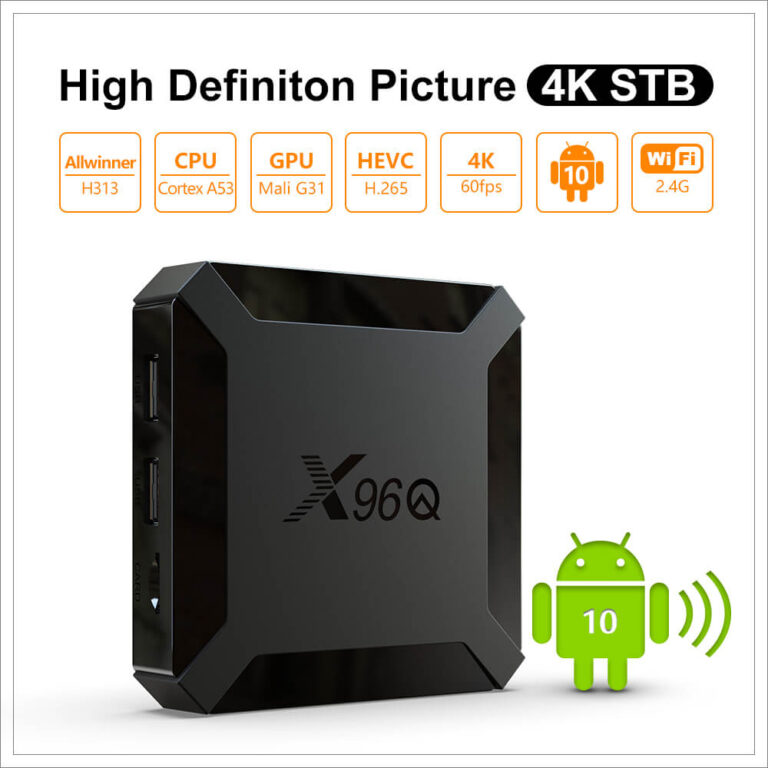
Latency is rarely caused by a single component; it is the result of how efficiently the system processes data end to end. A professionally engineered Low-latency TV box prioritizes balanced performance rather than raw specifications alone. The X96Q TV box reflects this philosophy by combining efficient processing pipelines with modern video decoding support. As a Real-time media streaming box, it natively supports 4K 60fps output and HEVC H.265 decoding, allowing high-resolution content to be delivered with minimal delay. This approach ensures smooth playback while maintaining image clarity, making the Low-latency TV box suitable for both entertainment-focused and performance-sensitive viewing environments.
Visual Enhancement for High-Quality Instant Playback
High-quality instant playback is not only about speed; it also depends on visual consistency and stability. A must maintain image quality even when processing demanding content in real time. The X96Q integrates advanced visual enhancement features such as 3D noise reduction, image stabilization, and HDR-to-SDR conversion. These capabilities allow the Real-time media streaming box to adapt content dynamically, ensuring smoother visuals across different display types. From an engineering standpoint, these enhancements reduce visual artifacts and frame inconsistency, reinforcing the core value of a Low-latency TV box: delivering fast response without sacrificing viewing quality.
Low-latency TV box System Optimization and Android 10 Stability
System stability plays a critical role in maintaining low latency over time. A Low-latency TV box must operate smoothly not only during initial use but also after extended periods of daily operation. The X96Q runs on Android 10 and adopts dynamic partition technology, which improves system efficiency and update reliability. This system-level optimization allows the Real-time media streaming box to manage resources more effectively, reducing background delays that can affect playback responsiveness. For users, this translates into faster app launches, smoother navigation, and consistent instant playback performance, even as application libraries grow and usage patterns evolve.

Low-latency TV box Performance for Gaming and Media Playback
Performance consistency is one of the most common concerns for buyers evaluating a Low-latency TV box. The X96Q addresses this with a well-balanced hardware platform powered by the Allwinner H313 CPU and Mali G31 GPU. This combination ensures reliable decoding and rendering for both streaming media and casual gaming scenarios. As a Real-time media streaming box, it supports modern graphics standards, enabling fluid interaction without noticeable stutter. Rather than focusing on peak performance alone, this design emphasizes sustained responsiveness, ensuring the Low-latency TV box continues to deliver smooth playback under real-world usage conditions.
Connectivity and Broad Device Compatibility
Compatibility remains a key factor in installation and long-term usability. A should integrate easily with both modern and legacy display systems. The X96Q supports HDMI and AV interfaces, allowing connection to newer LCD televisions as well as older displays. This flexibility makes the Real-time media streaming box suitable for a wide range of environments without additional adapters. In terms of networking, built-in 2.4GHz WiFi ensures stable wireless connectivity for everyday streaming needs. These design choices reinforce the practical value of a , enabling seamless integration without complex setup requirements.

Low-latency TV box Design, Installation, and Long-Term Value
Beyond performance, thoughtful physical design contributes to the overall usability of a Low-latency TV box. The X96Q supports wall-mounted installation, allowing it to blend discreetly into home entertainment systems or commercial display setups. From an engineering manufacturer’s perspective, long-term value comes from reliability, ease of installation, and consistent performance. A Real-time media streaming box that delivers high-quality instant playback while remaining adaptable to different environments provides lasting return on investment. By focusing on balanced system design rather than short-term specifications, a Low-latency TV box like the X96Q offers dependable performance as user expectations and content standards continue to evolve.