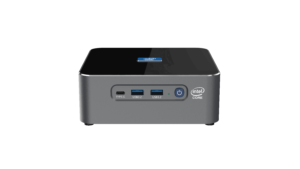
In fast-paced industrial environments, we need to maximize productivity, requiring industrial mini PCs to seamlessly process a wide range of information while delivering speed and efficiency. Industrial mini PC typically offer compact size, flexibility, and powerful performance. Our design and production capabilities for these versatile systems offer unparalleled customization options, enabling businesses to optimize their workflows. Whether used in manufacturing, logistics, or automation, these customized systems can significantly improve operational efficiency and productivity.
Core Features of Industrial Mini PC
Industrial mini PCs are equipped with powerful processors, ample storage capacity, and the capability to run complex software and applications. They are designed for harsh environments, offering durability and reliability even in situations where larger systems might fail. Key features such as thermal management solutions, expansion ports, and connectivity options ensure these devices can withstand the rigors of industrial applications.
Key components to consider when customizing an industrial mini PC include: a faster processor, which significantly improves performance, especially for data-intensive applications. Enhanced storage options, such as SSDs, increase read/write speeds, thereby improving workflow efficiency. Additionally, ensure the mini PC has an adequate cooling system to prevent overheating and maintain optimal performance in harsh environments.
Choosing the Right Processor for High-Performance Workloads
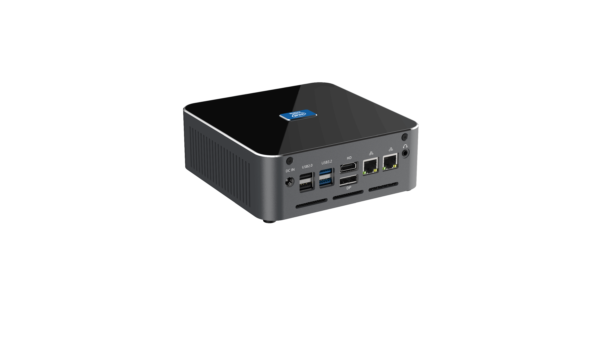
The processor is the heart of any industrial mini PC, playing a key role in achieving maximum productivity. Choosing the right processor depends on the specific tasks your mini PC needs to handle. For demanding workloads, such as data processing, machine learning, or running complex simulations, consider a high-performance processor like an Intel i7 or i9 processor or an AMD Ryzen series processor.
For simpler tasks, such as monitoring systems or handling less demanding applications, a lower-end processor may be sufficient. However, using a higher-end processor ensures your industrial mini PC can handle multiple tasks simultaneously without slowing down, which is crucial for achieving peak efficiency.
Optimizing Storage and Memory for Faster Data Access
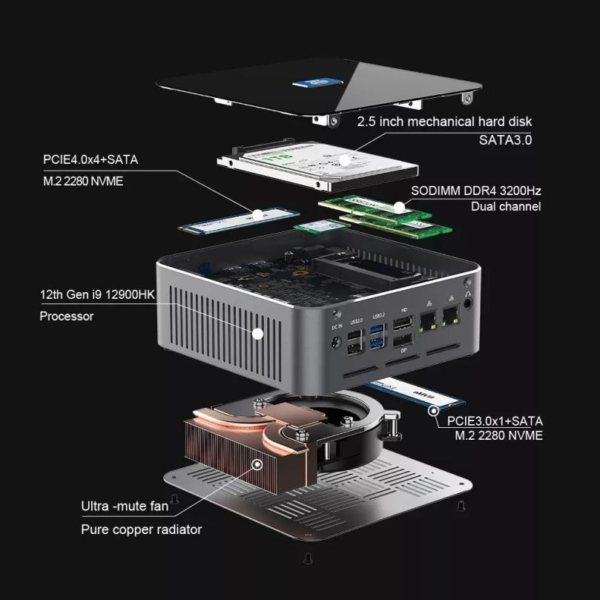
Storage and memory are integral to any industrial mini PC configuration. Tailoring storage and memory is crucial for quickly processing and retrieving data. SSDs (solid-state drives) offer faster data access than traditional HDDs, making them ideal for high-performance tasks requiring fast data retrieval, such as video processing or database management.
Also, ensuring your industrial mini PC has sufficient memory is crucial for multitasking and running multiple applications simultaneously. Typical mini PCs may come with 4GB or 8GB of RAM, but upgrading to 16GB or more will ensure smooth operation, especially when working with resource-intensive software. More memory and storage space will make your workflow more efficient, especially in data-intensive industrial applications.
Improve Industrial Mini PC Connectivity and Expansion Options
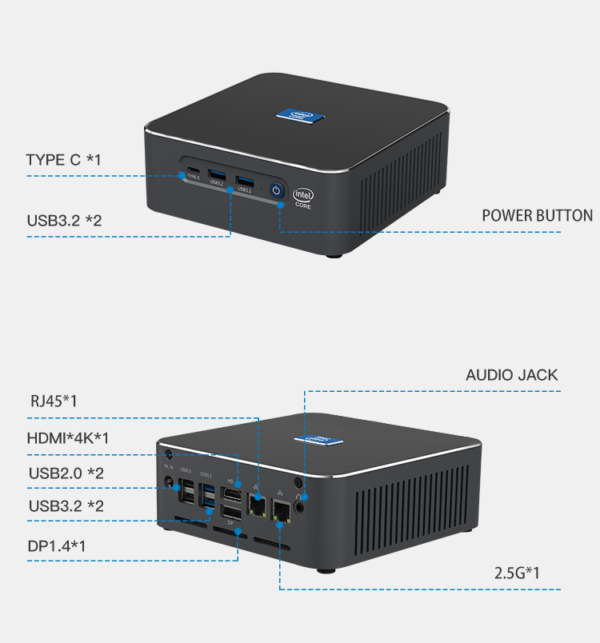
For industries that rely on connected systems, enhanced connectivity is crucial for achieving maximum productivity. Industrial mini PCs can be customized with a variety of expansion options, such as additional USB ports, Ethernet ports, or wireless adapters, to facilitate communication with other machines, sensors, and devices.
When choosing connectivity options, consider your specific application needs. If your industrial mini PC needs to communicate with multiple machines or networked systems, ensure it has ample network ports, including Gigabit Ethernet, for fast and stable connections. Additionally, mini PCs with Wi-Fi or Bluetooth connectivity offer flexibility, particularly in remote locations or areas with limited cabling infrastructure.
Ensure optimal cooling for uninterrupted performance.
In industrial environments, mini PCs are often exposed to high temperatures due to machinery, sunlight, and other factors. Therefore, an efficient cooling system is essential. For more demanding applications, liquid cooling or advanced fan systems may be required to maintain stable performance over time. Under less extreme conditions, passive cooling methods such as heat sinks or well-ventilated chassis may be sufficient. Be sure to select a cooling system that is both suitable for the mini PC’s size and adaptable to the workplace’s environmental conditions.
Customized Software and Integration with Industrial Systems
Finally, customization extends beyond the hardware. Industrial mini PCs can also be customized with specific software tailored to your operational needs. Integration with existing systems, such as MES, SCADA, or custom industrial software, is crucial for achieving maximum productivity. By integrating the right software, your industrial mini PC can be transformed into a powerful tool for monitoring, controlling, and optimizing your industrial processes. Consider customizing your mini PC to run specialized software, automate tasks, and improve data flow between machines, systems, and teams. This will streamline operations and increase overall productivity.
Maximizing Productivity for Industrial Mini PC
Achieving greater flexibility and performance in plastic molding production is possible with the right industrial mini PC customization. By focusing on key aspects such as processor performance, storage capacity, connectivity options, cooling systems, and durability, you can optimize the mini PC’s capabilities for specific industrial applications. This ensures you maximize your productivity and improve operational efficiency.